Study abroad7 min read
How to spot a fake school, agent or scholarship before you pay (2026 guide)
The Draimo team
Also in Português, Bahasa Indonesia

Short answer
Before you pay any fee, check three things. Is the school on its country's official register, such as e-MEC in Brazil, PDDikti in Indonesia or DAPIP in the US? Does the scholarship or fee appear on the school's own pages? Does payment go to the school's published account, never to a person? Draimo can check the last two in one question. A guaranteed place, pressure to pay today or a fee to apply for a scholarship are signs of a scam.
Try it in Draimo
Check an offer against the school's own pages
- Does the University of Manchester offer a scholarship for international undergraduates? Show me the official page.
- How does KTH say tuition fees must be paid, and to which account?
- I was sent this offer letter. What does it promise, and which parts should I check with the school?
- University lookup
- For more than a hundred top universities, Draimo's answers about the one you are aiming for are grounded in its official sources, with the source cited.
- Every plan
- Agent Mode
- Researches current public information and cites every source. Use it to compare universities or check current government guidance.
- Monthly and yearly plans
- Files
- Attach a PDF, Word file, slides or a photo and ask about it.
- One file per message on every plan; several at once on paid plans
Warning signs, anywhere in the world
- A guarantee of admission, a scholarship or a visa. Nobody outside the school or the embassy can promise these.
- A fee to apply for a scholarship, or to release one you have won. Real scholarships do not charge you.
- A degree in months that normally takes years, or a diploma with no classes behind it.
- Pressure: an offer that expires today, a place that will go to someone else.
- Payment to a personal account, a mobile money number, or through a link sent in a message.
- An email from a free address, or a website that is not the school's own domain.
Is the school real? The official register in each country
Every country keeps a public list of the institutions allowed to award degrees. If a school is not on it, its degree may not be recognised, whatever its brochure says.
- Brazil: e-MEC, the Ministry of Education's register, lists every authorised institution and course, and whether a course is recognised, which is what makes the diploma valid nationally. Check the mode too: in person or distance learning.
- Indonesia: PDDikti shows whether a campus and its study programme are registered and active. A diploma can be checked on PISN, the national diploma number system.
- India: the UGC publishes a list of institutions it has declared fake. A degree from one of them is not valid.
- Kenya: the Commission for University Education (CUE) licenses universities and student recruitment agencies, and publishes both lists.
- Nigeria: the National Universities Commission (NUC) publishes the institutions operating without a licence.
- England: GOV.UK has a check for whether an institution can award a UK degree, and the Office for Students keeps the register.
- United States: DAPIP, run by the Department of Education, lists institutions accredited by agencies the department recognises. An accreditation from an unrecognised body is a common trick.
Is the scholarship or fee real?
Pick the university in Draimo and ask whether the scholarship exists, what the deposit is, or how fees are paid. Draimo's answer is grounded in the university's official sources and cites them. If they do not mention the scholarship, Draimo says so, and you should treat it as not real until the admissions office confirms it by email from its own domain.
Got the offer as a PDF or a screenshot? Attach it and ask Draimo what it claims, then compare it with the university's own page. Draimo does not apply for you or contact the school; it helps you check before you pay.
Checking a study abroad agent
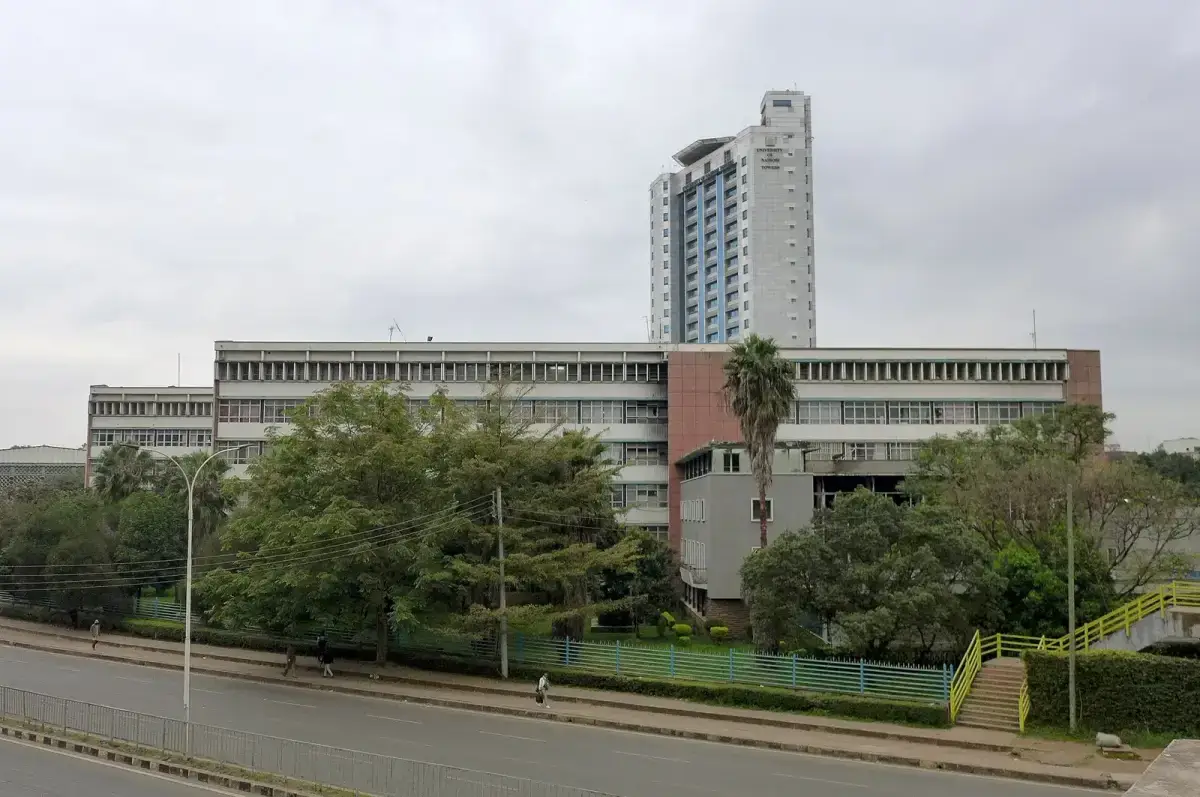
A good agent can help, but you never need one to apply, and an agent cannot buy you a place. Ask for a written contract that names the school, the fees and what happens if you are refused. In Kenya, check the agency on the CUE list: in January 2026 the commission named 20 agencies it said were operating illegally, and 16 institutions not authorised to operate as universities.
If you have already paid
Call your bank at once: the sooner a fraudulent transfer is reported, the better the chance of stopping it. Then report it to the police and to the regulator in your country, and tell the school's admissions office, which may already know of the scam. Keep every message and receipt.
Questions people ask
- Do real scholarships charge an application fee?
- No. A scholarship that asks you to pay to apply, or to pay to release your award, is almost certainly a scam.
- How do I check if a university is accredited?
- Use the official register for the country it is in: e-MEC in Brazil, PDDikti in Indonesia, the UGC's list in India, CUE in Kenya, NUC in Nigeria, GOV.UK's check in England and DAPIP in the US.
- Where can I check if an education agent in Kenya is licensed?
- On the Commission for University Education's list of licensed student recruitment agencies.
Sources we checked
- e-MEC: register of institutions and courses (Brazil)
- PDDikti: higher education database (Indonesia)
- PISN: national diploma numbers (Indonesia)
- UGC: fake universities (India)
- CUE: licensed student recruitment agencies
- Kenyans.co.ke: CUE lists unauthorised institutions (January 2026)
- National Universities Commission (Nigeria)
- GOV.UK: check if a university can award a degree
- US Department of Education: DAPIP
Checked 9 October 2026. Dates and amounts change every year. Ask Draimo for this year's figures, grounded in official sources.
Check a scholarship or a fee against the university's own pages before you pay anyone.
Ask Draimo